Solid Wall Damp Problems in London: Why Non-Breathable Finishes Cause Issues in Period Properties
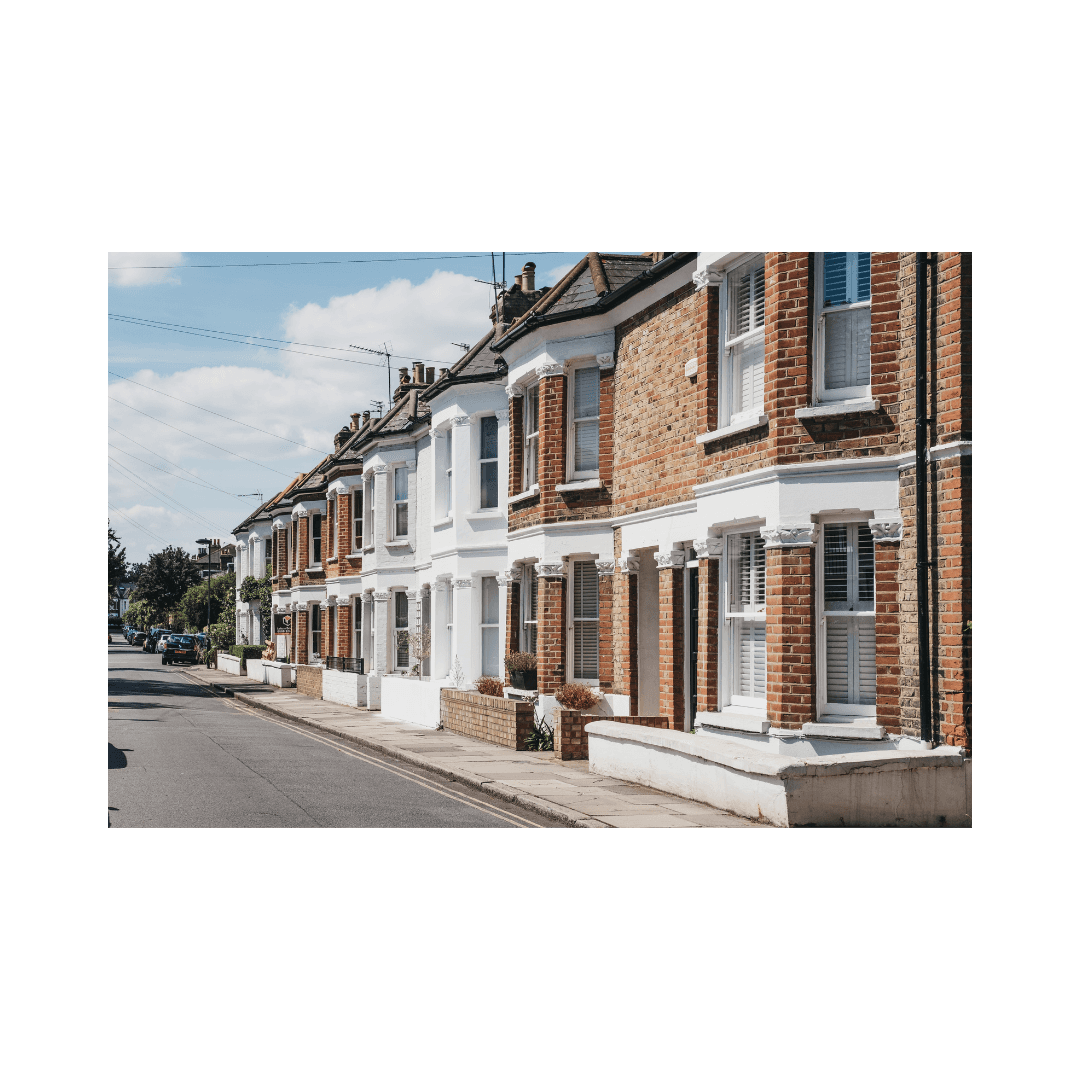
London’s housing stock is dominated by Victorian and Edwardian solid wall properties, from terraces in Fulham and Clapham to conversions across Islington and Hackney. These buildings were constructed very differently from modern cavity wall homes, and that difference is at the root of many damp issues identified in London surveys.

Damp in London’s period properties is often misunderstood rather than indicative of serious structural failure. In many cases, the issue arises because modern materials have altered how the building was intended to function. With appropriate repairs and a considered approach, these issues can usually be managed effectively.
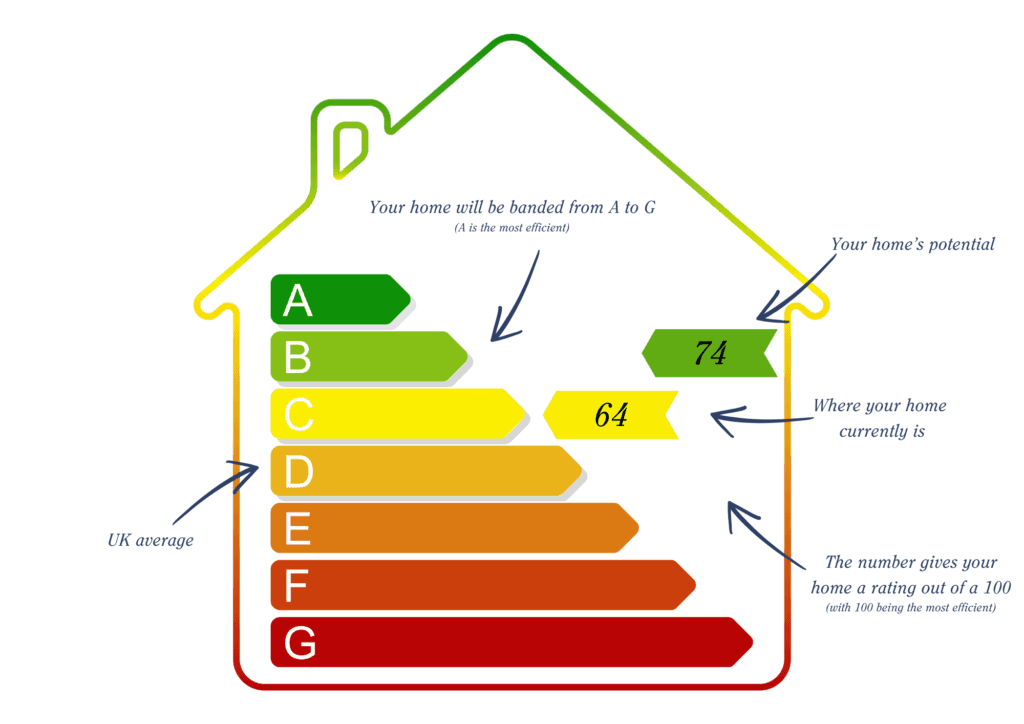
Improving energy efficiency is a key priority for homeowners and buyers across London and the Home Counties. Rising energy costs, increasing environmental awareness and evolving regulations mean that energy performance is now a central consideration during property purchases. At Lexington Surveyors, we regularly assess energy efficiency as part of RICS Level 2 and Level 3 surveys across areas such as London, Windsor, Reading and High Wycombe. While EPC ratings provide a useful overview, they do not always reflect the condition or effectiveness of installations. This article outlines the key elements surveyors check when assessing a property’s energy efficiency, and the common issues identified.
What Are Solid Walls and Why Do They Need to Breathe?
Unlike modern cavity walls, solid walls (typically around 225mm thick) allow moisture to pass through and evaporate naturally. In traditional construction:
● Moisture enters the wall through rain, humidity, or minor ground moisture
● The wall absorbs and releases this moisture without issue
● Lime mortar and breathable finishes allow evaporation
This creates a “breathable” construction system.
Across London’s older housing stock, this approach has functioned effectively for over a century. Problems tend to arise when modern, less permeable materials are introduced.
The Problem: Non-Permeable Finishes on Solid Walls
Issues are commonly identified where the following have been used:
● Cement-based renders or repointing
● Waterproof masonry paints
● Gypsum plasters replacing traditional lime plaster
● External insulation systems with inadequate detailing
These materials are significantly less permeable than traditional lime-based finishes and can restrict the natural movement of moisture.
What Happens When Walls Can’t Breathe?
Where evaporation is restricted, moisture becomes trapped within the wall structure.
Typical symptoms seen in London properties include:
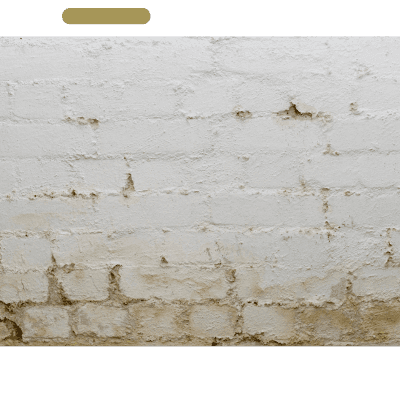
● Damp patches at low level (often mistaken for rising damp) ● Peeling paint and blown plaster
● Salt deposits (efflorescence)
● Internal mould growth
● Deterioration of brick faces due to retained moisture
In many cases, sharp moisture meter readings are observed up to approximately 300mm above floor level. This can resemble rising damp, but is often the result of moisture being retained within the wall due to impermeable finishes.
Why This Is So Common in London
Age of Housing Stock
A significant proportion of London’s properties were built before 1919 and are of solid wall construction.
Cosmetic Refurbishment Trends
Many properties have been rendered, painted, or internally modernised without consideration of how the building manages moisture.
Energy Efficiency Upgrades
Retrofit measures, such as insulation and increased airtightness, can:
● Reduce ventilation
● Increase condensation risk
● Contribute to moisture becoming trapped within the structure
Common Misdiagnosis: Rising Damp
Damp associated with solid wall construction is frequently misdiagnosed.
It is not uncommon for contractors to recommend:
● Chemical damp-proof courses
● Tanking systems
However, in many cases the underlying issue is not rising damp, but trapped moisture caused by non-breathable materials.
This is particularly likely where:
● Moisture readings show a sharp cut-off
● External ground levels are appropriate
● The wall has been rendered or sealed externally
What Should Be Done Instead?
Use Breathable Materials
Where repairs are required:
● Lime mortar should be used for repointing
● Lime plaster internally
● Breathable mineral paints externally
Improve Moisture Management
● Ensure gutters and downpipes are functioning correctly
● Maintain appropriate ground levels (typically 150mm below DPC)
● Address any bridging issues
Avoid Over-Sealing the Building
Older properties are not designed to be airtight in the same way as modern buildings. A balanced approach is required to improve performance without restricting breathability
What Buyers Should Look For
If you are purchasing a property in areas such as Wandsworth, Ealing or Greenwich, the following should be considered:
● Recently rendered or painted external walls
● Cement-based pointing to brickwork
● Damp readings at low level internally
● Limited ventilation in upgraded interiors
These can indicate moisture being trapped rather than traditional rising damp.
Final Thoughts
Damp in London’s period properties is often misunderstood rather than indicative of serious structural failure. In many cases, the issue arises because modern materials have altered how the building was intended to function. With appropriate repairs and a considered approach, these issues can usually be managed effectively.
Need Advice on a London Property?
At Lexington Surveyors, we carry out RICS Level 2 and Level 3 surveys across London, with particular experience in older solid wall buildings. We provide clear, balanced advice, focusing on identifying the root cause of defects and offering practical recommendations tailored to the property. If you are unsure whether damp is a significant concern, or simply want a clear understanding before proceeding with a purchase, we would be happy to assist.
Share
Similar Posts

Comments