Energy Efficiency in Homes: What Surveyors Check in London and the Home Counties
Improving energy efficiency is a key consideration for buyers across London and the Home Counties. While EPC ratings provide a useful snapshot, they do not always reflect how a property actually performs. At Lexington Surveyors, our surveys focus on the condition and effectiveness of insulation, ventilation and building elements, helping clients understand both performance and potential risks before committing to a purchase.
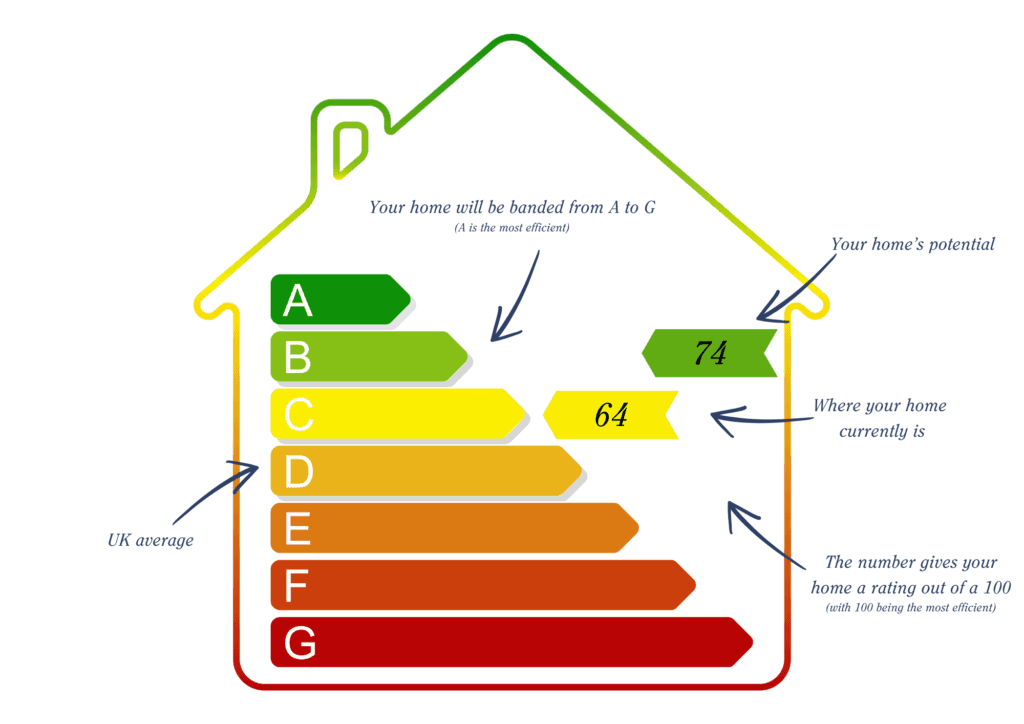
Energy efficiency is an increasingly important factor when purchasing property, particularly across London and the Home Counties where construction types vary widely. While EPC ratings provide a general guide, they do not account for the condition or effectiveness of insulation, ventilation and building elements. A survey offers a more detailed, condition-based assessment, identifying issues such as poorly installed insulation, heat loss through windows and doors, and risks of condensation or damp. Understanding how a property manages both heat and moisture allows buyers to make informed decisions and plan appropriate improvements, rather than relying on headline ratings alone.
Improving energy efficiency is a key priority for homeowners and buyers across London and the Home Counties. Rising energy costs, increasing environmental awareness and evolving regulations mean that energy performance is now a central consideration during property purchases.
At Lexington Surveyors, we regularly assess energy efficiency as part of RICS Level 2 and Level 3 surveys across areas such as London, Windsor, Reading and High Wycombe. While EPC ratings provide a useful overview, they do not always reflect the condition or effectiveness of installations.
This article outlines the key elements surveyors check when assessing a property’s energy efficiency, and the common issues identified.
Why Energy Efficiency Matters
Energy efficiency affects:
● Running costs and affordability;
● Comfort levels within the home;
● Risk of condensation and damp;
● Future resale value and compliance with regulations.
For buyers, understanding the condition and performance of insulation and building elements is just as important as identifying structural defects.
Cavity Wall Insulation
Where properties have cavity walls (typically post-1920s), we check whether insulation has been installed and consider its suitability.
Surveyors will look for:
● Evidence of retrospective cavity wall insulation;
● Signs of damp that may indicate moisture bridging;
● External defects such as poor pointing or cracks.
While cavity wall insulation can improve thermal performance, it is not appropriate in all cases, particularly in exposed locations or where the building envelope is in poor condition.
Solid Walls and Internal Insulation
Many properties in London are of solid wall construction. These behave differently to modern cavity walls.
We assess:
● Whether internal or external insulation has been added;
● The type of finishes used (breathable vs non-breathable);
● Any signs of trapped moisture or condensation.
Poorly designed upgrades can lead to damp issues, particularly where ventilation has not been adequately considered.
Roof Insulation
Roof spaces are a critical area for heat loss. During inspection, we consider:
● Presence and depth of loft insulation;
● Condition and continuity of insulation;
● Ventilation within the roof space.
Inadequate insulation or blocked ventilation can lead to:
● Heat loss;
● Condensation within the roof structure;
● Potential timber decay over time.
Flat roofs are also assessed, although insulation is often concealed and cannot be fully confirmed without intrusive inspection.
Windows and Glazing
Windows play a significant role in thermal performance.
We typically check:
● Whether glazing is single, double or triple glazed;
● Condition of seals to double glazing units;
● Operation of windows and draught proofing.
Common issues include:
● Failed double glazing seals (misted units);
● Poorly fitted or ageing frames;
● Draughts leading to heat loss.
Upgrading glazing can improve efficiency, although replacement costs should be considered
Doors and Draught Proofing
External doors are assessed for:
● Fit and alignment;
● Condition of seals;
● Evidence of draughts.
Older or poorly fitted doors can contribute significantly to heat loss.
Ventilation and Condensation Risk
Energy efficiency improvements must be balanced with adequate ventilation.
Surveyors will consider:
● Presence and operation of extractor fans;
● Background ventilation (e.g. trickle vents);
● Signs of condensation or mould.
Over-sealing a property without providing adequate ventilation can lead to moisture build-up and internal damp problems.
Heating Systems and Controls
Although not tested in detail, we comment on:
● Type and approximate age of the heating system;
● Presence of thermostatic controls;
● General condition and apparent efficiency.
Modern, well-maintained systems are typically more energy efficient and cost-effective to run.
Common Issues Identified
Across London and the Home Counties, we frequently identify:
● Inadequate or poorly installed insulation;
● Damp associated with insulation defects;
● Failed double glazing units;
● Draughts around windows and doors;
● Insufficient ventilation following upgrades.
These issues are often not immediately obvious but can have a significant impact on performance and comfort.
What Buyers Should Consider
If you are purchasing a property in areas such as Ealing, Wandsworth, Beaconsfield or Newbury, it is important to look beyond the EPC rating and consider:
● Whether insulation has been installed appropriately;
● The condition of windows and glazing;
● Evidence of damp or condensation;
● The overall balance between insulation and ventilation.
A well-performing property should manage heat and moisture effectively, rather than simply being highly sealed.
Final Thoughts
Energy efficiency is an increasingly important aspect of residential property, but improvements must be appropriate to the building type and condition.
In many cases, issues arise not from a lack of insulation, but from poorly considered upgrades that disrupt how the building functions.
A balanced, informed approach is essential to ensure long-term performance and avoid unintended consequences such as damp or condensation.
Need Advice on Energy Efficiency?
At Lexington Surveyors, we provide RICS Level 2 and Level 3 surveys across London and the Home Counties, offering clear, practical advice on both condition and energy performance.
We focus on identifying the underlying issues and providing proportionate recommendations, helping buyers make informed decisions before committing to a purchase.
If you would like advice on a property or want to better understand its energy performance, we would be happy to assist.
Share
Similar Posts



Comments