Across the Home Counties, particularly in Maidenhead, Slough, High Wycombe and Aylesbury, many properties have had cavity wall insulation (CWI) installed retrospectively over the past 20 to 30 years.

Cavity wall insulation can provide energy efficiency benefits, but it is not universally suitable. Across Berkshire and Buckinghamshire, we are increasingly encountering cases where insulation has contributed to moisture-related issues. This highlights the importance of a property-specific approach. What is appropriate for one building may not be suitable for another, particularly where exposure, construction type and condition vary.
Across the Home Counties, particularly in Maidenhead, Slough, High Wycombe and Aylesbury, many properties have had cavity wall insulation (CWI) installed retrospectively over the past 20 to 30 years. While cavity wall insulation can improve energy efficiency, it is not suitable for all properties. We are increasingly identifying cases where retrofitted insulation is contributing to damp issues, particularly in older or more exposed buildings.
What Is Cavity Wall Insulation?
Most homes built between the 1920s and early 2000s feature cavity wall construction, comprising:
● An outer leaf (brickwork)
● An inner leaf (blockwork)
● A cavity designed to prevent moisture transfer
Retrofitted cavity wall insulation typically involves injecting materials such as mineral fibre, foam or polystyrene beads into the cavity.
The intention is to reduce heat loss. However, this process can alter how moisture behaves within the wall.
Why Can Cavity Wall Insulation Cause Damp?
Cavity walls were originally designed to act as a moisture barrier, preventing rainwater from penetrating through to internal surfaces.
When insulation is introduced, it can:
● Bridge the cavity
● Allow moisture to transfer from the outer leaf to the inner leaf
● Retain water within the insulation material This becomes more problematic where:
● The property is in an exposed location (common across parts of Berkshire and Buckinghamshire)
● External brickwork is porous or poorly maintained
● Defects are present, such as cracked pointing or failed render
Common Damp Issues Linked to Cavity Wall Insulation
In properties across the Home Counties, the following issues are frequently observed:
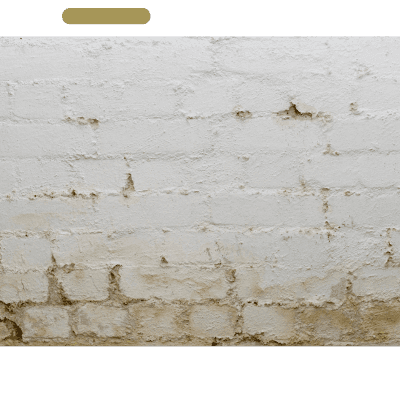
● Damp patches on internal walls, often affecting external elevations
● Cold bridging and associated condensation
● Mould growth, particularly behind furniture
● Staining following periods of heavy rainfall
In some cases, damp may appear higher up the wall. This is inconsistent with rising damp and more indicative of moisture penetration associated with the cavity.
Why This Is a Growing Issue in Berkshire and Buckinghamshire
Widespread Installation Under Incentive Schemes
Many homes in Reading and Milton Keynes had insulation installed under government-backed schemes, sometimes without full suitability assessments.
Exposure to Driving Rain
Parts of the Home Counties are subject to moderate to high levels of wind-driven rain, increasing the likelihood of moisture penetrating external walls.
Ageing Housing Stock
Properties from the mid-20th century are now showing signs of deterioration, including:
● Weathered brickwork
● Perished pointing
● Reduced resistance to moisture ingress
Common Misdiagnosis
Damp linked to cavity wall insulation is often misidentified as:
● Rising damp
● Condensation alone
● General ventilation issues
As a result, inappropriate solutions are sometimes recommended, including chemical damp-proof courses or internal tanking systems. These measures do not address the underlying issue where moisture is travelling through the cavity.
What Should Be Checked?
Where cavity wall insulation is suspected to be contributing to damp, the following should be assessed:
● Condition of external brickwork and pointing
● Level of exposure to weather
● Type and condition of insulation material
● Evidence of wall tie corrosion (in some cases)
● Whether the cavity has become saturated or blocked
In some instances, specialist investigation, including borescope inspection, may be required.
What Are the Solutions?
Address External Defects
Repairs should focus on preventing moisture ingress, including:
● Repointing using appropriate materials
● Repairing cracks and defective render
● Ensuring gutters and downpipes are functioning correctly Improve Moisture Management
● Maintain adequate drainage at the base of walls
● Ensure appropriate internal ventilation
Consider Insulation Removal
In more severe cases, partial or full cavity wall insulation extraction may be necessary. This is a specialist process and should only be undertaken following proper assessment. Not all installations result in problems. However, where they do, removal can be the most effective long-term solution.
Advice for Buyers in the Home Counties
If you are purchasing a property in areas such as Windsor, Beaconsfield or Newbury, it is important to consider:
● Whether cavity wall insulation has been installed
● Any visible signs of damp affecting external walls
● Recent redecoration that may conceal underlying issues
● The overall condition of the building envelope These factors can have a direct impact on both condition and future maintenance costs.
Final Thoughts
Cavity wall insulation can provide energy efficiency benefits, but it is not universally suitable.
Across Berkshire and Buckinghamshire, we are increasingly encountering cases where insulation has contributed to moisture-related issues. This highlights the importance of a property-specific approach.
What is appropriate for one building may not be suitable for another, particularly where exposure, construction type and condition vary
Need Advice on a Property in Berkshire or Buckinghamshire?
At Lexington Surveyors, we carry out RICS Level 2 and Level 3 surveys across the Home Counties, with particular experience in diagnosing damp and insulation-related issues.
We provide clear, practical advice focused on identifying the underlying cause of defects and offering proportionate, effective solutions.
If you are unsure whether cavity wall insulation is contributing to damp, or would like reassurance before proceeding with a purchase, we would be happy to assist.
Share
Similar Posts




Comments