Common Defects to Look Out For in London properties

To educate London homebuyers about the most common defects found in Victorian and Edwardian properties, while positioning Lexington Surveyors as specialists in traditional London housing stock and naturally encouraging enquiries for Level 3 Building Surveys.
Victorian & Edwardian Homes in London: Common Defects to Look Out For
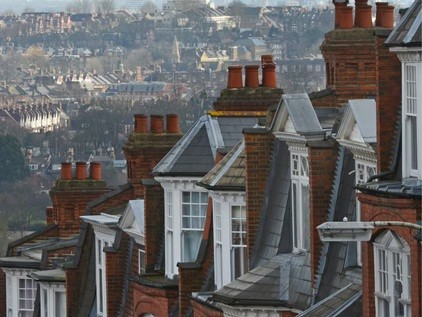
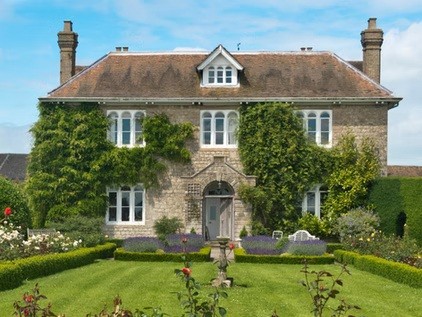
Victorian and Edwardian houses make up a large proportion of London’s residential housing stock. Their generous proportions, period features and solid construction make them highly desirable — but they also come with age-related risks that buyers often underestimate.
If you are purchasing, owning, or renovating a Victorian or Edwardian property in London, understanding the most common defects is essential to avoiding unexpected repair costs and disruption.
Understanding Victorian & Edwardian Construction
Victorian (c.1837–1901) and Edwardian (c.1901–1918) houses were typically constructed using methods and materials very different from modern buildings.
Common characteristics include:
Solid brick external walls (no cavity)
Suspended timber ground floors
Pitched roofs covered in natural slate
Chimney stacks and open fireplaces
Timber sash windows
Minimal thermal insulation by modern standards
These buildings were designed to breathe, meaning moisture was expected to evaporate naturally rather than be sealed in. Problems often arise when modern materials or poor alterations disrupt this balance.
1. Dampness in Solid-Wall Properties
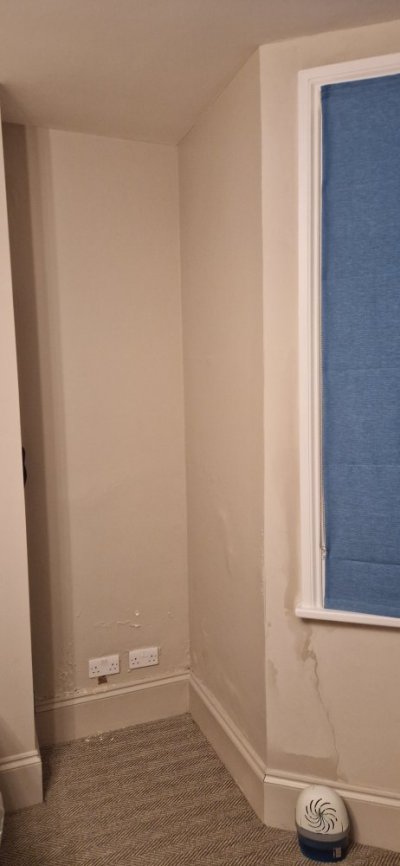
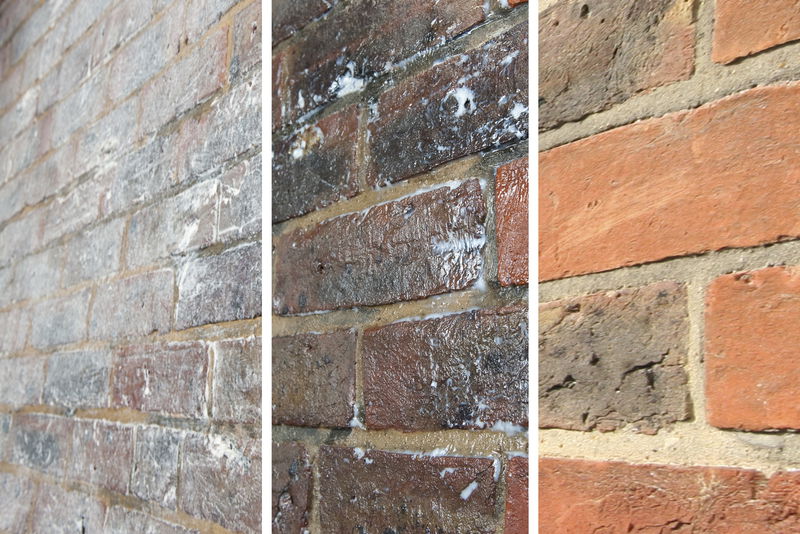
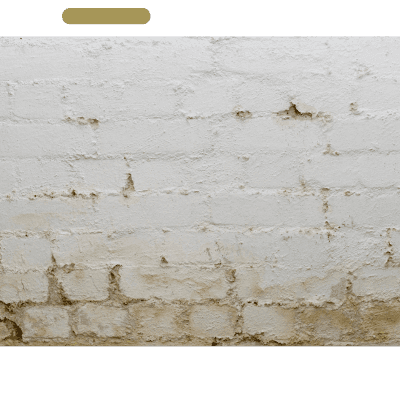
Damp is one of the most frequently reported concerns in Victorian and Edwardian homes, but it is also one of the most misunderstood.
Common causes include:
Bridging of the damp-proof course by raised external ground levels
Cement-based internal plaster preventing evaporation
Blocked sub-floor air bricks
Leaking gutters and rainwater pipes
Condensation due to poor ventilation
While chemical damp-proof injections are often recommended, they are rarely the correct first solution in solid-wall construction. A proper diagnosis is essential before any remedial works are considered.
2. Roof Defects and Ageing Materials
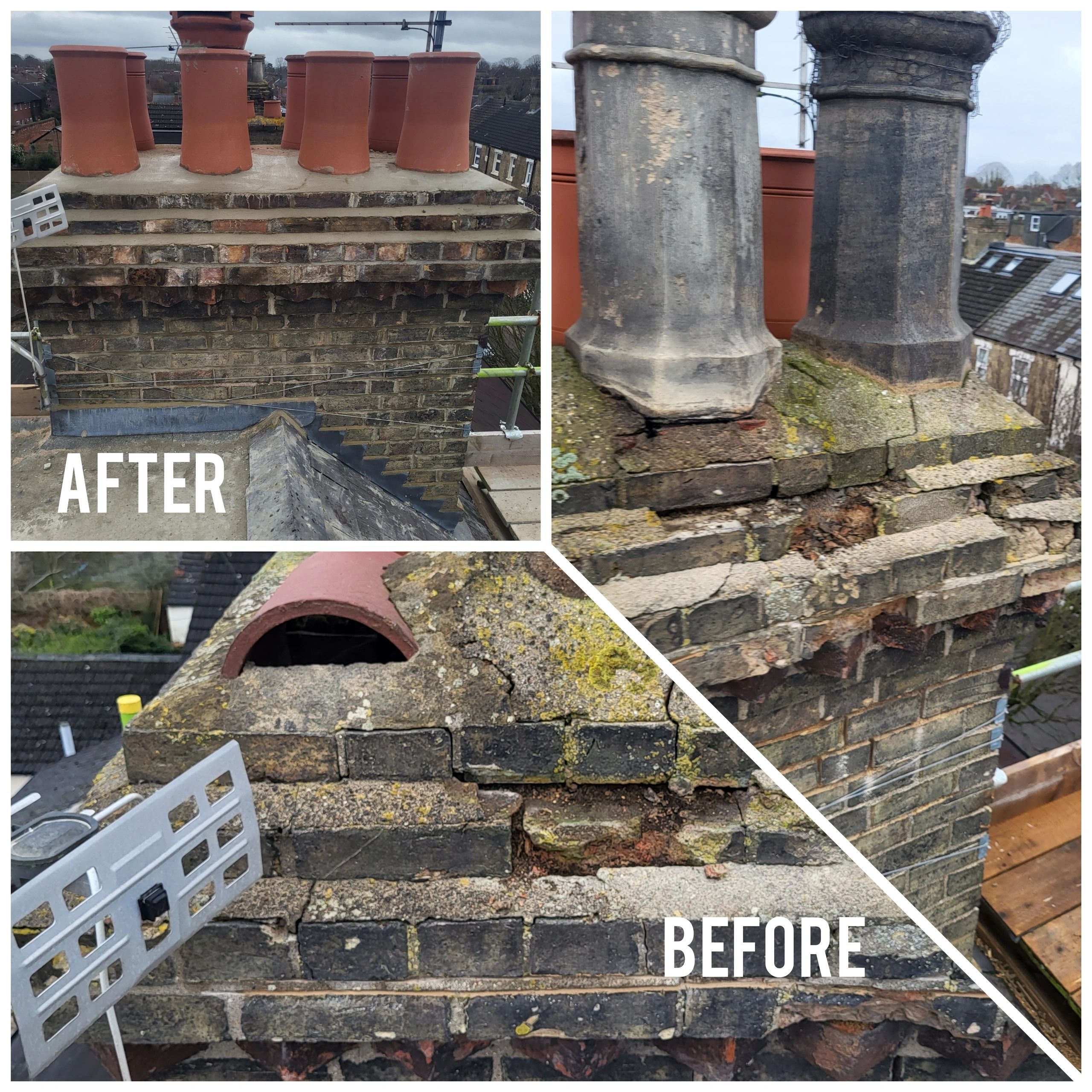
Most Victorian and Edwardian properties were originally roofed with natural slate, which can last well over 100 years — but only if properly maintained.
Typical roof-related issues include:
Slipped or missing slates
Nail fatigue causing slate movement
Deteriorated lead flashings and soakers
Defective valley gutters, particularly on terraced houses
Chimney stack deterioration and failing mortar
Roof defects are a major source of water ingress and are often difficult to inspect from ground level, making professional inspection particularly important.
3. Chimney Breasts and Structural Alterations
Many London homes have had chimney breasts removed or altered to improve internal layouts. While this is common, it can introduce structural and moisture-related issues if not carried out correctly.
Risks include:
Inadequate support to remaining chimney masonry
Cracking where breasts have been partially removed
Dampness caused by bridging or trapped moisture
Poorly sealed redundant flues allowing rain penetration
Alterations should always be assessed carefully during a survey, especially where documentation is incomplete or unavailable.
4. Suspended Timber Floors
Victorian and Edwardian houses usually have suspended timber ground floors with a ventilated void beneath.
Common problems include:
Rot or decay to joists due to poor ventilation
Blocked or missing air bricks
Localised dampness at floor edges
Uneven or springy floors
Timber decay is often concealed and may only become apparent through careful inspection and experience.
5. Cracking and Movement
Cracking is common in older London properties and is not always a sign of serious structural failure.
Typical causes include:
Historic settlement
Thermal movement
Shrinkage of lime-based materials
Past alterations
However, stepped cracking, widening cracks, or cracking associated with distortion may warrant further investigation. Understanding the type, location and pattern of cracking is key.
6. Energy Efficiency Limitations
Victorian and Edwardian homes were built long before modern insulation standards.
Typical limitations include:
Uninsulated solid walls
Minimal roof insulation
Single-glazed sash windows
Draughts around doors, floors and windows
While improvements are possible, they must be carefully considered to avoid creating condensation or damp problems elsewhere in the building.
Why a Building Survey Is Particularly Important
Due to their age, construction type and history of alterations, Victorian and Edwardian homes are best assessed with a Level 3 Building Survey.
A detailed survey:
Identifies defects specific to traditional construction
Distinguishes between cosmetic issues and serious concerns
Provides tailored advice on repairs and maintenance
Helps buyers make informed decisions before committing
How Lexington Surveyors Can Help
At Lexington Surveyors, we regularly inspect Victorian and Edwardian properties across London. Our surveys are tailored to the building type and focus on clear explanations, not alarmist language.
Whether you are purchasing, planning works, or simply want a clearer understanding of a period property, a professional survey can provide reassurance and clarity.
Conclusion
Victorian and Edwardian homes remain some of London’s most attractive properties, but they require informed ownership. By understanding the most common defects and commissioning the right level of survey, buyers can avoid costly surprises and plan future maintenance with confidence.
If you are considering a Victorian or Edwardian property in London, professional advice at the right stage can make all the difference.
Share
Similar Posts


Comments